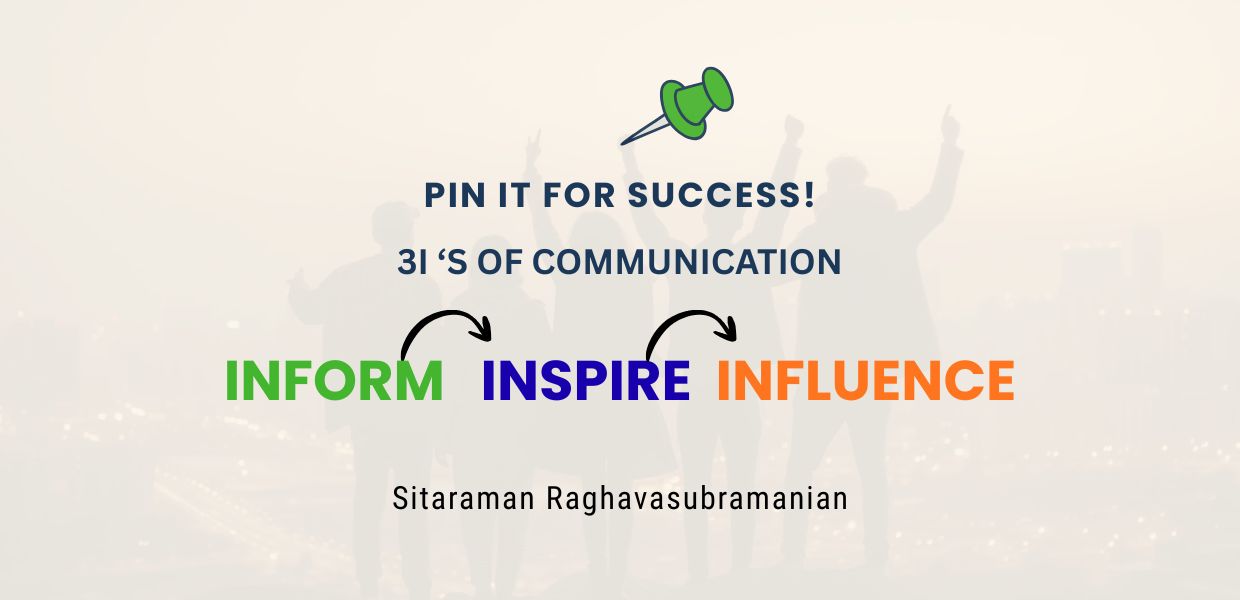
The Art of Inform, Inspire, and Influence: A Guide to Effective Communication
This article explores the crucial communication techniques of informing, inspiring, and influencing. It delves into the nuances of each approach, providing practical strategies and examples to enhance your ability to connect with audiences, convey information effectively, ignite passion, and drive desired outcomes. Mastering these techniques is essential for leaders, educators, marketers, and anyone seeking to communicate with impact.
Inform: Clarity and Precision in Knowledge Transfer
Informing is the bedrock of effective communication. It’s about conveying facts, data, and knowledge in a clear, concise, and easily understandable manner. The primary goal is to ensure the audience receives and comprehends the information accurately.
Key Principles of Informative Communication:
- Accuracy: Verify your information from reliable sources. Present facts without bias or distortion.
- Clarity: Use simple language, avoid jargon, and define technical terms. Structure your message logically.
- Conciseness: Get to the point quickly. Avoid unnecessary details or tangents.
- Objectivity: Present information neutrally, without personal opinions or emotional appeals.
- Relevance: Ensure the information is pertinent to the audience’s needs and interests.
Techniques for Effective Informing:
- Structure Your Message: Use a clear introduction, body, and conclusion. Employ headings, subheadings, and bullet points to organize information.
- Use Visual Aids: Charts, graphs, images, and videos can enhance understanding and retention.
- Provide Examples: Illustrate concepts with real-world examples and case studies.
- Summarize Key Points: Reinforce important information by summarizing it at the end of your presentation or document.
- Answer Questions: Encourage questions from the audience to clarify any confusion.
Example:
Imagine you’re explaining a new company policy to employees. Instead of overwhelming them with legal jargon, you could say: “This new policy simply means that everyone needs to record their working hours accurately. This helps us ensure fair compensation and comply with labor laws. Here’s a quick guide on how to use the new time tracking system…”
Inspire: Igniting Passion and Motivation
Inspiring communication goes beyond simply conveying information; it aims to ignite passion, motivation, and a sense of purpose in the audience. It connects with their values, aspirations, and emotions, encouraging them to take action or embrace a new perspective.
Key Principles of Inspirational Communication:
- Authenticity: Be genuine and sincere in your message. Share your own experiences and vulnerabilities.
- Vision: Paint a compelling picture of the future and the positive impact the audience can have.
- Empathy: Understand and connect with the audience’s emotions and perspectives.
- Passion: Communicate with enthusiasm and conviction. Let your passion for the subject shine through.
- Hope: Instill a sense of optimism and belief in the possibility of positive change.
Techniques for Effective Inspiring:
- Tell Stories: Use personal anecdotes, parables, and historical narratives to illustrate your message and connect with the audience on an emotional level.
- Use Powerful Language: Employ vivid imagery, metaphors, and rhetorical devices to create a memorable and impactful message.
- Appeal to Values: Connect your message to the audience’s core values, such as integrity, compassion, or achievement.
- Recognize and Celebrate Successes: Acknowledge and celebrate the achievements of individuals and teams to boost morale and inspire further effort.
- Challenge the Status Quo: Encourage the audience to question assumptions, embrace innovation, and strive for excellence.
Example:
Consider a motivational speaker addressing a group of aspiring entrepreneurs. Instead of just listing business strategies, they might share a story of overcoming adversity, emphasizing the importance of perseverance and believing in oneself. They might say, “I know starting a business is tough, but I believe in each and every one of you. Remember why you started, and never give up on your dreams!”
Influence: Persuading and Guiding Action
Influencing communication aims to persuade the audience to adopt a particular viewpoint, take a specific action, or change their behavior. It involves building rapport, presenting compelling arguments, and addressing potential objections.
Key Principles of Influential Communication:
- Credibility: Establish your expertise and trustworthiness.
- Logic: Present well-reasoned arguments supported by evidence.
- Emotion: Appeal to the audience’s emotions to create a connection and motivate action.
- Reciprocity: Offer value to the audience and create a sense of obligation.
- Scarcity: Highlight the limited availability or exclusivity of an opportunity.
Techniques for Effective Influencing:
- Build Rapport: Establish a connection with the audience by finding common ground and showing empathy.
- Understand Your Audience: Tailor your message to their needs, interests, and values.
- Present a Clear Call to Action: Tell the audience exactly what you want them to do.
- Address Objections: Anticipate and address potential concerns or objections.
- Use Social Proof: Highlight the positive experiences of others who have taken the desired action.
Example:
A salesperson trying to convince a customer to buy a product might say, “I understand you’re hesitant about the price, but this product will save you time and money in the long run. Other customers have reported a 30% increase in efficiency after using it. Plus, we’re offering a limited-time discount, so you can save even more if you act now.”
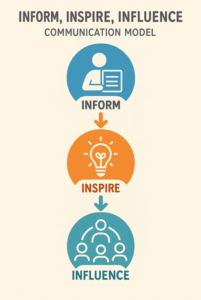
Integrating Inform, Inspire, and Influence
The most effective communication often involves a blend of informing, inspiring, and influencing. By combining these techniques, you can create a powerful and persuasive message that resonates with your audience on multiple levels.
For example, a leader presenting a new strategic plan might:
- Inform: Clearly explain the plan’s objectives, strategies, and timelines.
- Inspire: Share a vision of the future and the positive impact the plan will have on the organization.
- Influence: Persuade employees to embrace the plan and commit to its implementation.
By mastering the art of informing, inspiring, and influencing, you can become a more effective communicator and achieve your desired outcomes in any situation. Remember to practice these techniques, adapt them to your specific audience and context, and always strive to communicate with clarity, authenticity, and purpose.