
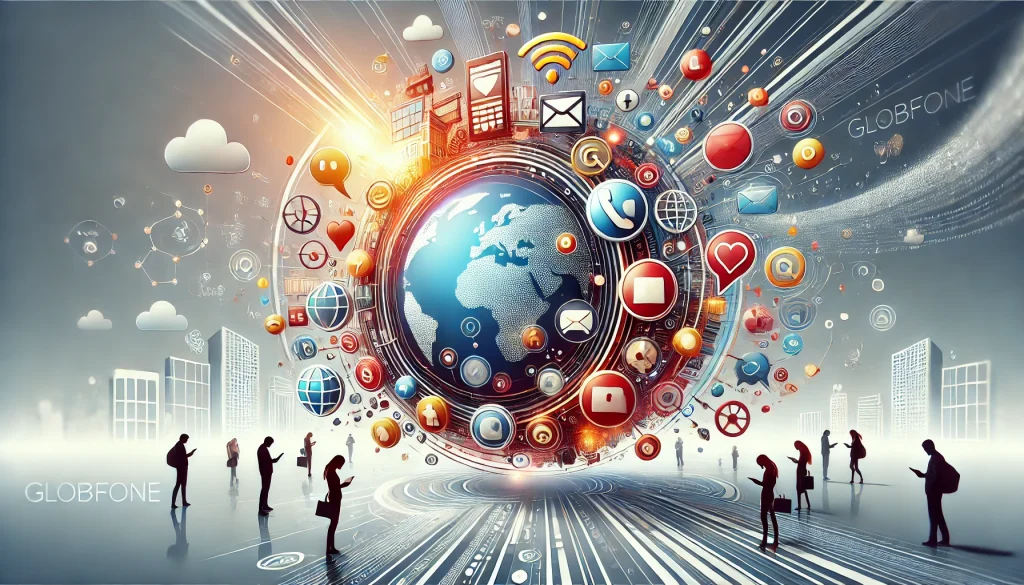
From boardroom strategy to the way we reply to a Slack message, digital change has reshaped everything. But the journey hasn’t been linear: it moved from digital transformation (rebuilding organizations) to digital marketing (selling differently) and now to digital communication (how we connect). This article maps that evolution and points to where we’re headed next.
From digital transformation to digital marketing to digital communication, we’ve moved from building systems to building relationships. In this article I map the shift and share a practical playbook leaders can use today.
Three waves of digital change
Digital Transformation (2010s): Companies moved processes, data and core systems onto digital platforms — ERP, cloud migration, automated workflows. The aim: efficiency, scale and resilience.
 Digital Marketing (mid‑2010s to present): Once digital infrastructure existed, attention shifted to customer acquisition and engagement using data — search, social ads, content marketing, personalization

Digital Communication (today and next): Now the emphasis is on how humans — customers, employees, partners — actually communicate using digital tools: asynchronous collaboration, AI‑assisted messaging, digital empathy, and persistent presence across channels.

What’s different about digital communication?
- Human-to-human, mediated by tools. It’s less about pushing a campaign and more about sustaining relationships across moments.
- Context matters more than channel. People expect coherent conversations whether they’re on chat, email, social, SMS, or voice assistants.
- Speed + patience paradox. We demand instant answers and nuanced, patient interactions at the same time.
- Signals replace signals of status. Tone, response time, micro‑copy, and emoji now carry brand meaning.
Business implications — short, medium, long term
Short term: Simplify channel strategy. Remove friction in customer journeys. Train teams on tone and response design.
Medium term: Embed AI assistants for routine interactions, but guard brand voice. Measure conversation quality (not just clicks).
Long term: Rethink org structure — communications designers, conversation analysts, and ethics librarians become as important as growth marketers.
Practical playbook for leaders
- Map conversation journeys, not just funnels. Trace the end‑to‑end dialog across touchpoints.
- Adopt conversation‑first KPIs. Response clarity, resolution in one interaction, sentiment trend, trust score.
- Invest in human + AI handoffs. Define clear escalation patterns and brand‑safe AI templates.
- Design tone guidelines. Short examples work better than long policies, include emojis, timing expectations, and escalation wording.
- Protect asynchronous wellbeing. Policies for reply windows, expected response times, and out‑of‑hours handling.
Digital initiatives started with systems (transformation), then audiences (marketing), and now centre on relationships (communication). The future will reward organizations that design for continuous, humanized, measurable conversations — where brand trust is created in every reply, not only in big launches.
Read on and tell me: what’s one communication friction you want to get it fixed?
#DigitalTransformation #DigitalMarketing #DigitalCommunication #CustomerExperience #Leadership #AI #ConversationDesign